The Natanya Experience™
Everybody has a story they were afraid to tell.
What about the stories we could tell–when nobody needs us to perform?
Most of us learn very early which parts of our story are safe to tell.
We clean them up for doctors.
Edit them for family.
Repackage them for work.
Forget pieces on purpose.
Protect the people who hurt us.
Protect ourselves from the things we did to survive them.
Eventually, the edited version can become the version we tell ourselves.
The Natanya Experience™ was built to get underneath that version.
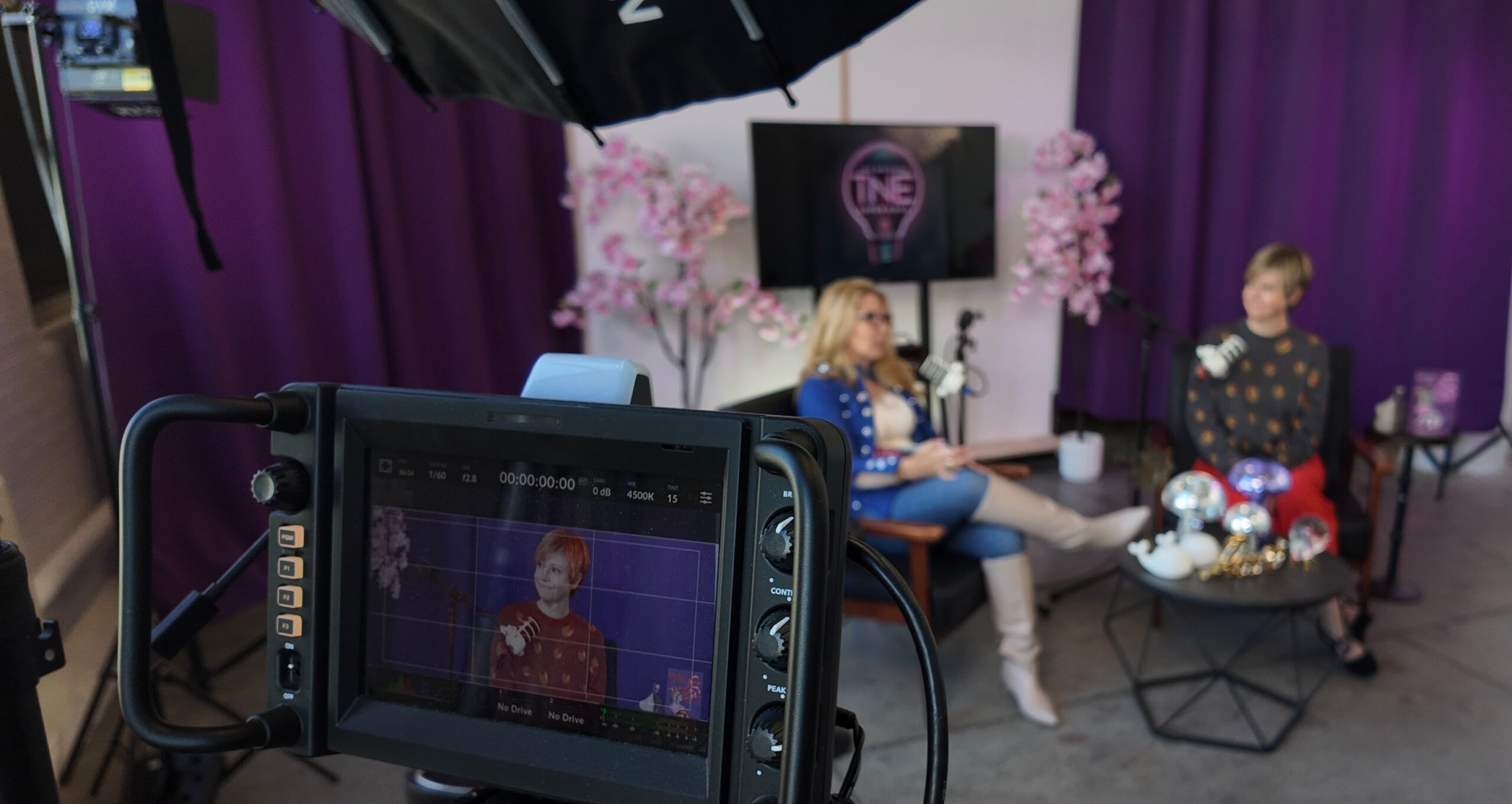
There may be a camera in the room.
There may never be a live audience.
That is not the point.
The point is what happens when a human being has enough time, trust and psychological safety to tell the story differently.

THE PART WE KEEP MISSING
Behavioral health has extraordinary tools for understanding trauma, PTSD, depression, anxiety, addiction and human behavior.
But every tool begins with something profoundly imperfect: what the human being is able and willing to reveal.
A clinician can only work with what reaches the room.
A questionnaire can only measure the question it asks.
A diagnostic category can organize symptoms beautifully and still miss the life that produced them.
And human beings are magnificent editors.
We minimize. Mask. Perform. Forget. Rationalize. Protect. Lie sometimes. Tell the truth sideways sometimes. Build identities around surviving something and then forget there was ever another version of us underneath.
That hidden territory matters.
Because sometimes the thing that looks irrational makes perfect sense once you know the rest of the story.

WE LISTEN DIFFERENTLY.
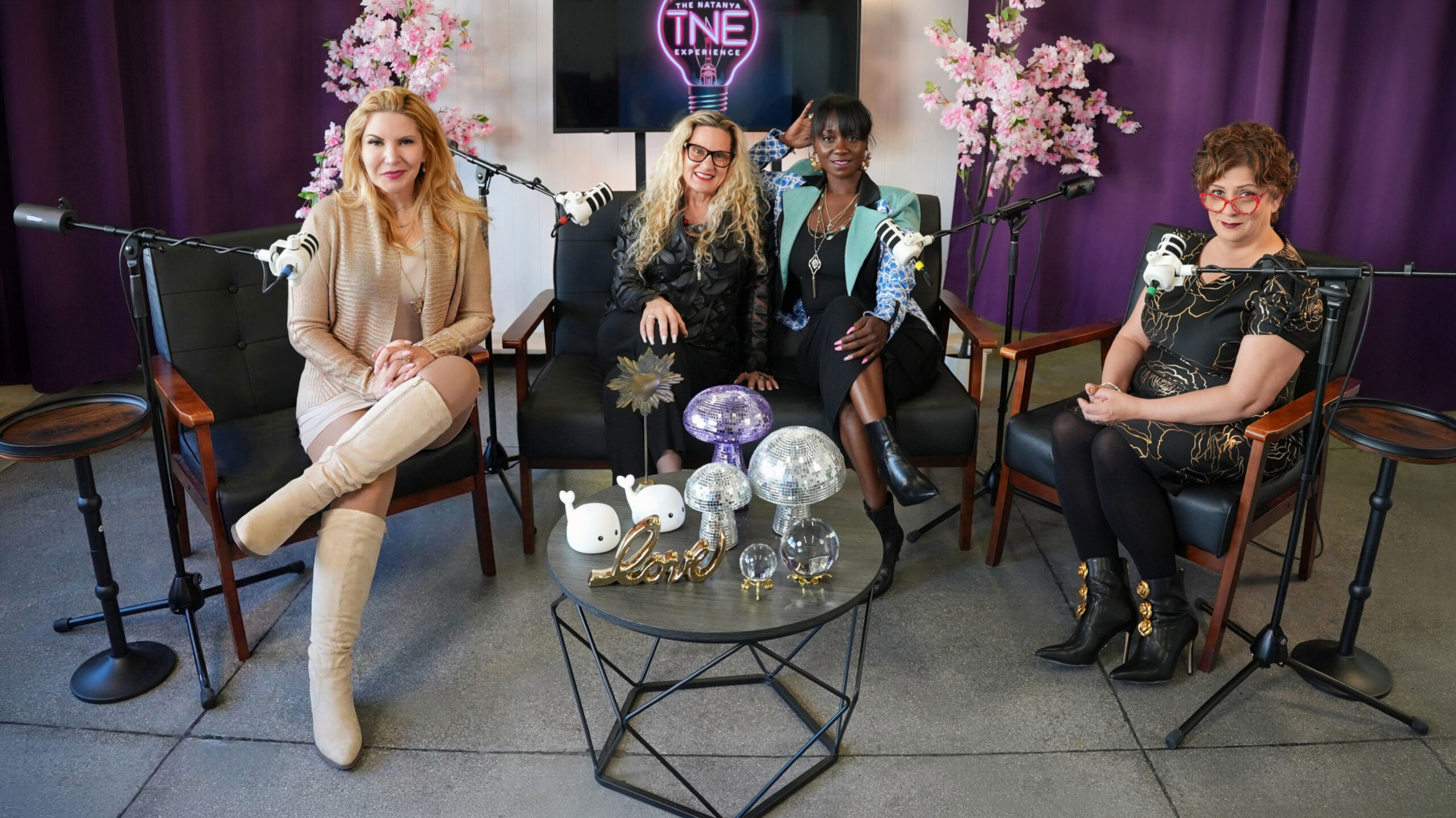
The Natanya Experience™ (TNE) is an expanding collection of long-form, raw human stories across radically different kinds of lives and rooms.
No polished talking points required.
No inspirational ending required.
No demand that someone become a hero, villain, victim or lesson.
Instead, we stay with the contradictions.
- What happened to you?
- What did you do afterward?
- What did you need to believe to survive it?
- What do you believe now?
- What have you never told the doctor?
- What have you never told your family?
- What have you perhaps never admitted to yourself?
Those answers can reveal things a checkbox never will.
FROM STORY TO SCIENCE — AND BACK AGAIN
These stories do not replace clinical research. They help us see what we may have forgotten to ask. Across hundreds of conversations and very different human lives, patterns begin to surface:
- Trauma and adaptation.
- Shame and identity.
- Neurodivergence and masking.
- Power and belonging.
- The nervous system and the stories wrapped around it.
- The gap between what happened, what someone remembers, what they report and how they learned to live afterward.
Those observations help inform the questions we investigate across New Solutions Network™.
They challenge assumptions inside TrueYOU™.
They help shape our technologies, behavioral-health programming, learning experiences and the environments we create for people to understand themselves and one another more deeply.
And some of these stories live where they can do the most useful work—not necessarily where they can collect the most views.
A story does not need an audience to have value.
Inside universities.
Inside programs.
Inside our experiences.
Inside the rooms we create for deeper human work.
THE HUMAN VAULT
This is why The Natanya Experience is bigger than a show.
It is a growing record of what human beings say when somebody stays long enough to hear the part after the practiced answer.
Scientists have data.
Clinicians have case histories.
Technology has increasingly enormous amounts of information about what we click, buy, watch and do.
We are interested in the part humans usually hide.
The secret.
The contradiction.
The coping mechanism that once kept somebody alive and now keeps getting them in trouble.
The lie somebody tells the world.
The lie somebody tells themselves.
And sometimes, underneath all of that, the truth they have been trying to find language for their entire life.
COME AS YOU ARE.
You do not need a platform, a book, a following or a tidy ending.
You do not have to be inspirational.
You do not have to know what your story means yet.
If you have lived something and you are willing to tell it straight, that is enough.
We will not sell your pain, edit you into a lesson, or decide that the worst thing that happened to you is the most interesting thing about you.
You keep a say in your own story after the cameras stop.
Maybe millions of people eventually hear it.
Maybe twelve students study it.
Maybe it changes a question we ask inside a technology.
Maybe it changes one room.
Maybe the person it changes is you.
That is enough, too. ♦